
Rosacea
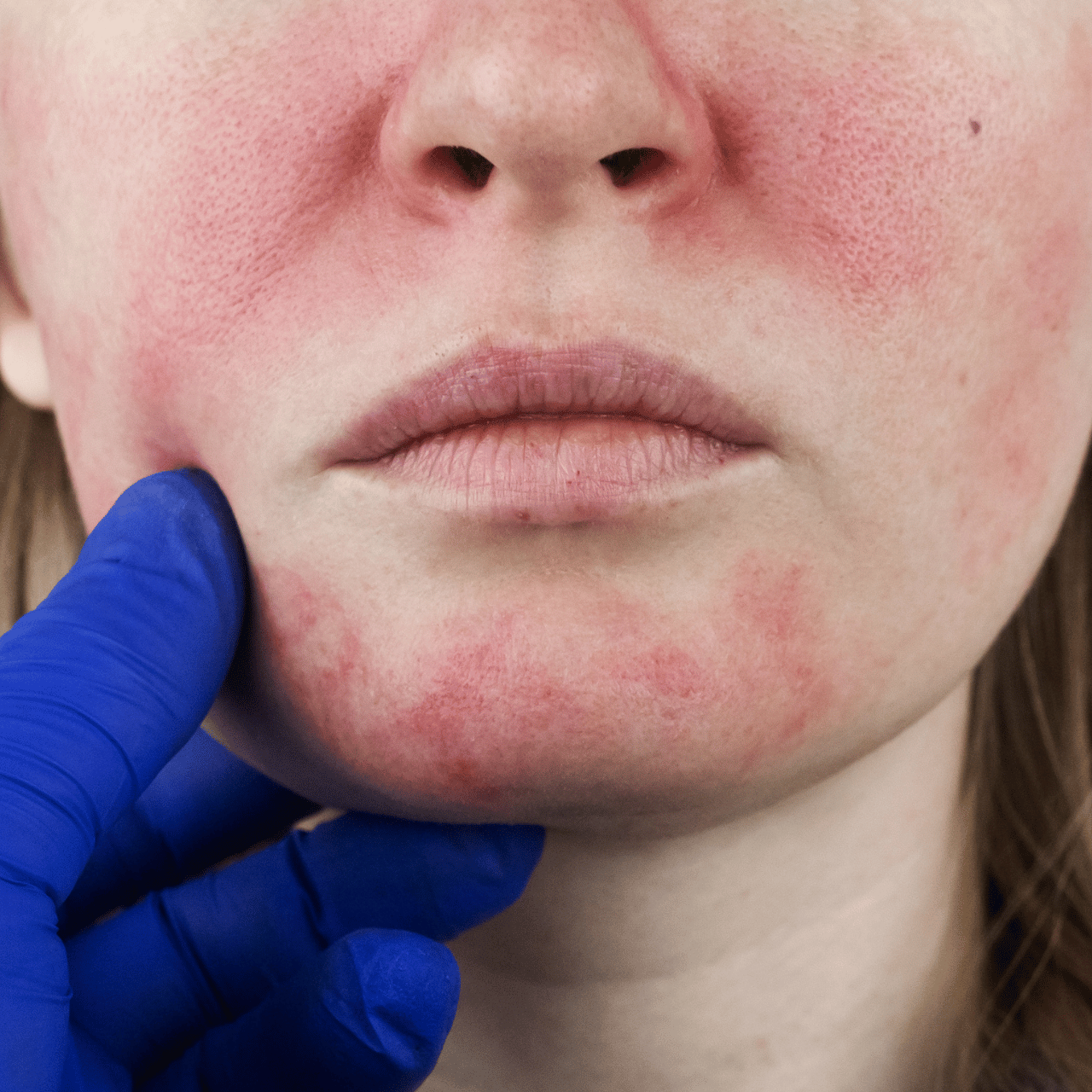
Rosacea is a chronic inflammatory skin condition that primarily affects the central face. It commonly presents as persistent redness, flushing, visible blood vessels, and increased skin sensitivity.
Symptoms can vary, but often include:
- Ongoing facial redness or flushing
- Visible thread veins
- Episodes of warmth, stinging, or burning
- Occasional breakouts or irritation
- Eye sensitivity in some cases
While rosacea is a long-term condition, it can be effectively managed with the right clinical approach. Treatment focuses on reducing inflammation, calming vascular activity, and strengthening the skin barrier to improve overall skin health and resilience.
What causes rosacea?
Discover what causes this condition and how it can it can impact you.
Hormonal Changes
Fluctuations in hormones can influence vascular reactivity, making the skin more prone to flushing and persistent redness. This is often seen during menopause or periods of hormonal imbalance.
Excess Sebum Production
While rosacea is not primarily driven by oil production, changes in sebum levels can contribute to overall skin imbalance. Excess oil may create an environment that increases skin sensitivity and supports inflammatory triggers, particularly in more reactive skin types.
Bacteria
Fluctuations in hormones, particularly during puberty, menstruation, pregnancy, and when using birth control, can lead to increased oil production, contributing to clogged pores.
Inflammation
Chronic inflammation sits at the core of rosacea. It disrupts normal skin function, weakens the barrier, and increases sensitivity, contributing to redness, irritation, and flare-ups.
Diet
Certain foods and drinks can act as triggers rather than direct causes. Common triggers include alcohol, spicy foods, and hot beverages, all of which can increase flushing and vascular activity.
Stress
Emotional stress can activate the body’s inflammatory response and increase blood flow to the skin, often leading to flare-ups or worsening of symptoms.
Medications
Some medications, including topical steroids or vasodilators, can exacerbate rosacea symptoms by increasing blood flow or thinning the skin over time.
Genetics
Your genetic profile plays a key role in how your skin responds to rosacea. Factors such as skin sensitivity, vascular reactivity, and barrier strength can be inherited, meaning some individuals are naturally more prone to persistent redness and flare-ups.
Cosmetic Products
Certain skincare or cosmetic products can irritate the skin and trigger rosacea symptoms. Ingredients that are too active, fragranced, or not suited to sensitive skin may disrupt the skin barrier, leading to increased redness, stinging, and inflammation.