
Acne
Acne is a common but complex skin condition that develops when pores become blocked by excess oil, dead skin cells, and bacteria. It can present as blackheads, whiteheads, inflamed spots, or deeper cystic lesions, most commonly affecting the face, chest, and back.
While often associated with adolescence, acne frequently persists into adulthood and is influenced by multiple factors, including hormones, inflammation, and skin barrier dysfunction. It is not simply a surface issue, but a condition linked to how the skin is functioning beneath.
If left unmanaged, acne can lead to ongoing inflammation, post-inflammatory pigmentation, and scarring. Early, medically guided intervention is key to controlling breakouts and protecting long-term skin health.
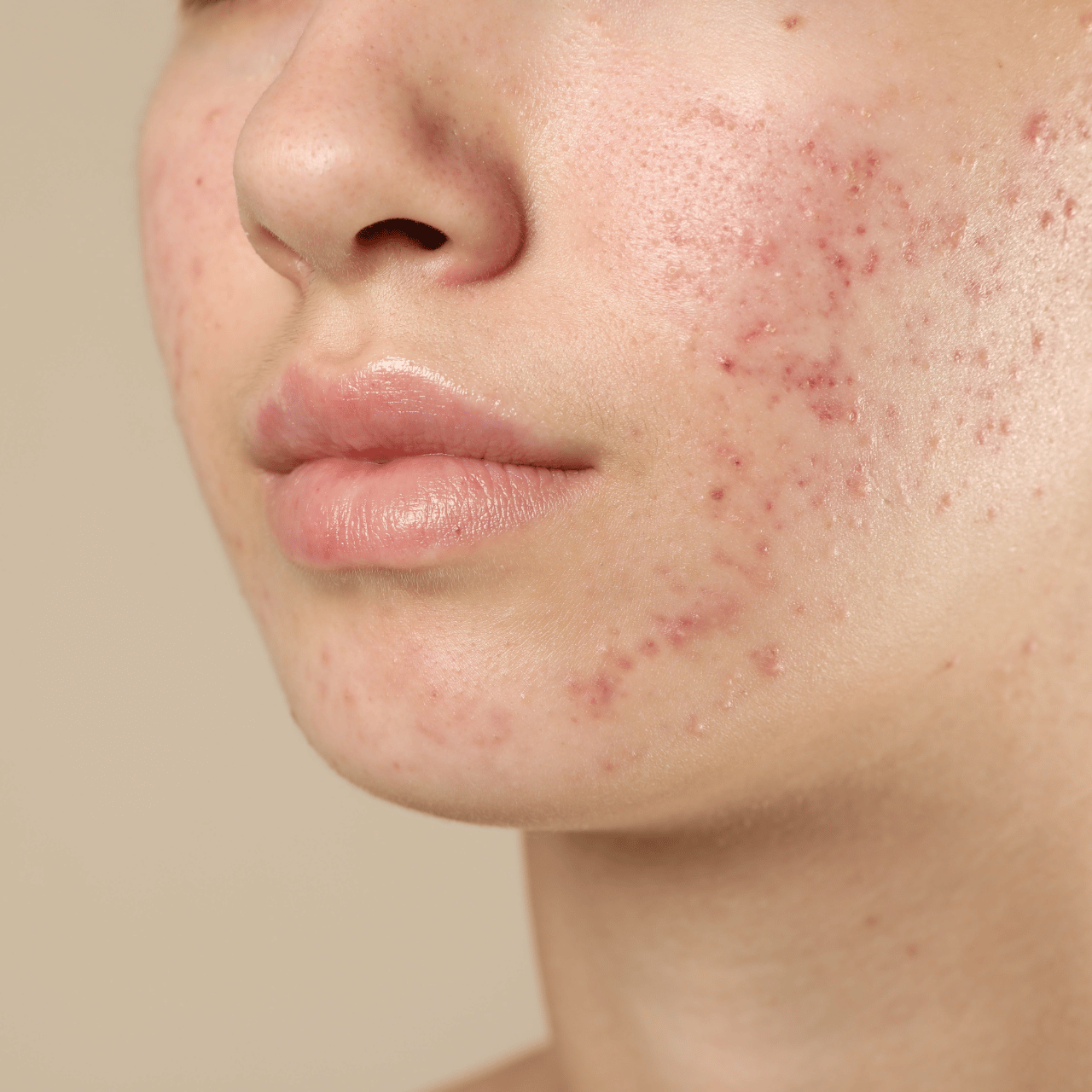
What causes acne?
Discover what causes this condition and how it can it can impact you.

Hormonal Changes
Fluctuations in hormones, particularly androgens, can increase oil production and disrupt skin balance. This often leads to congestion and breakouts, especially around the lower face and jawline.
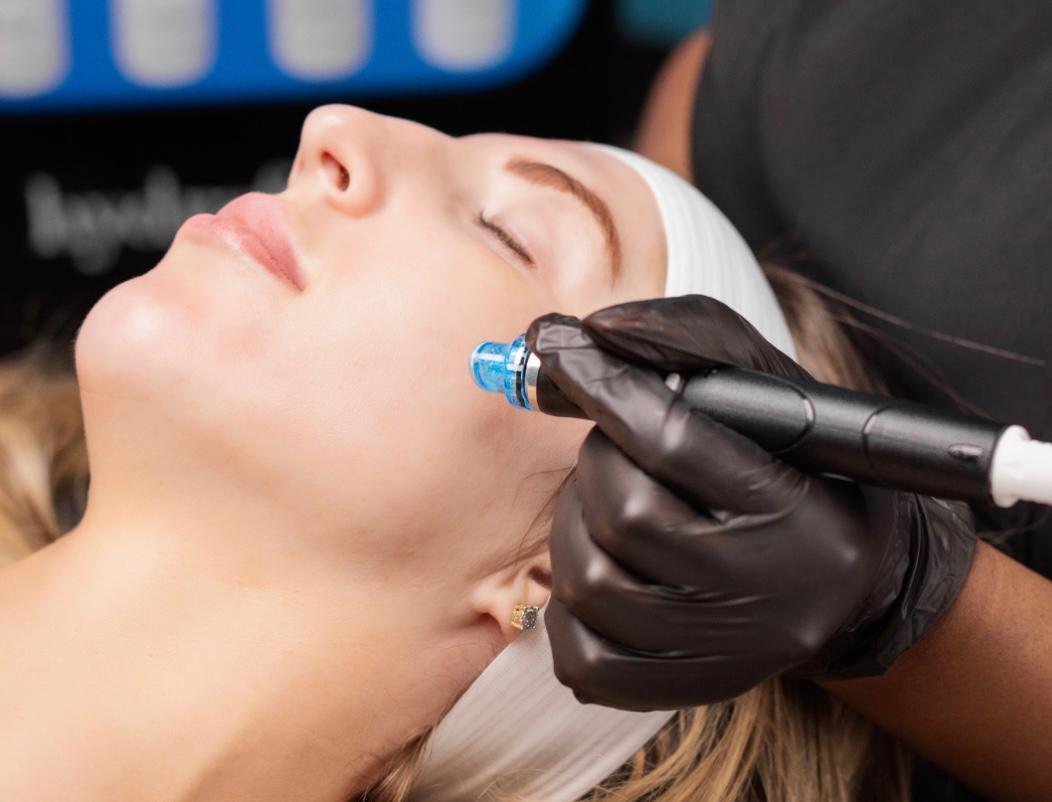
Excess Sebum Production
Overactive oil glands produce excess sebum, which can mix with dead skin cells and block pores. This creates an environment where breakouts and uneven skin texture are more likely to develop.
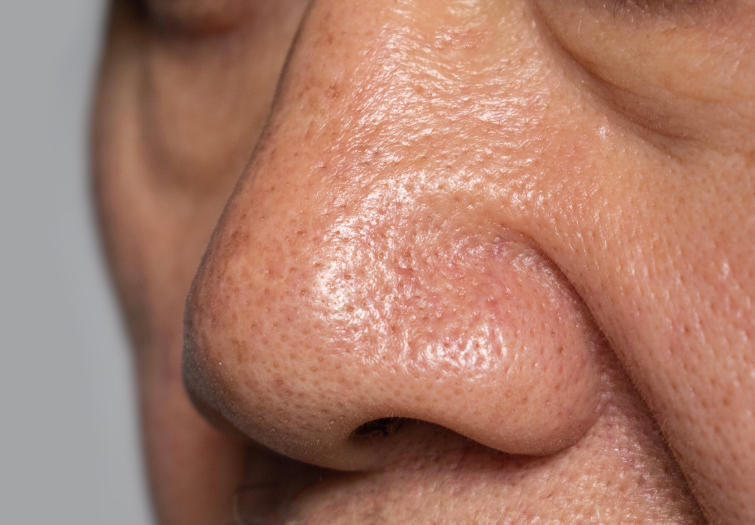
Clogged Pores
When pores become blocked with oil, debris, and dead skin, they form blackheads and whiteheads. These blockages are often the starting point for more inflamed acne lesions.
Bacteria
Naturally occurring bacteria on the skin can multiply within blocked pores. This can trigger immune responses, leading to redness, swelling, and more severe inflammatory acne.
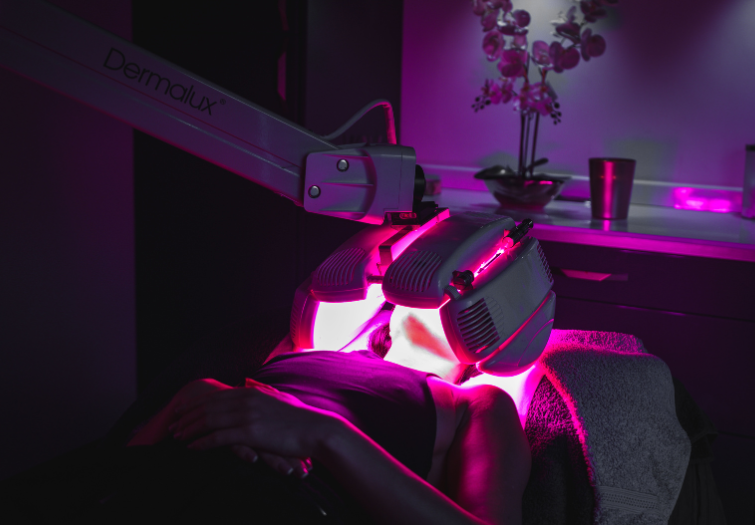
Inflammageing /Chronic Illness
Inflammation plays a central role in acne development. It contributes to redness, discomfort, and can increase the risk of post-inflammatory pigmentation and scarring if not managed correctly.
Lifestyle
Diet, stress, sleep, and environmental exposure can all influence skin behaviour. Poor lifestyle habits may worsen oil production, inflammation, and overall skin resilience.
Medications
Certain medications can alter oil production, skin sensitivity, or hormonal balance. This may trigger or exacerbate breakouts depending on how the skin responds.

Genetics
Your genetic profile can determine how your skin produces oil, responds to inflammation, and heals. This influences both the likelihood and severity of acne.

Cosmetic Products
Using unsuitable or comedogenic products can clog pores and disrupt the skin barrier. Tailored, medical-grade skincare helps maintain balance and supports clearer skin.