
Vascular Lesions
Vascular Lesions
Vascular lesions refer to visible changes in the skin caused by dilated or superficial blood vessels. These commonly present as red, blue, or purple markings on the skin.
Common types include:
Thread veins (telangiectasia)
Spider naevi
Cherry angiomas (Campbell de Morgan spots)
Port wine stains
Poikiloderma
While these conditions are typically harmless, they can affect overall skin clarity and uniformity. They often develop due to factors such as skin ageing, inflammation, sun exposure, or vascular changes following injury.
At a clinical level, assessment is important. Not all vascular concerns behave the same, and treatment should be guided by skin type, vessel depth, and underlying cause.
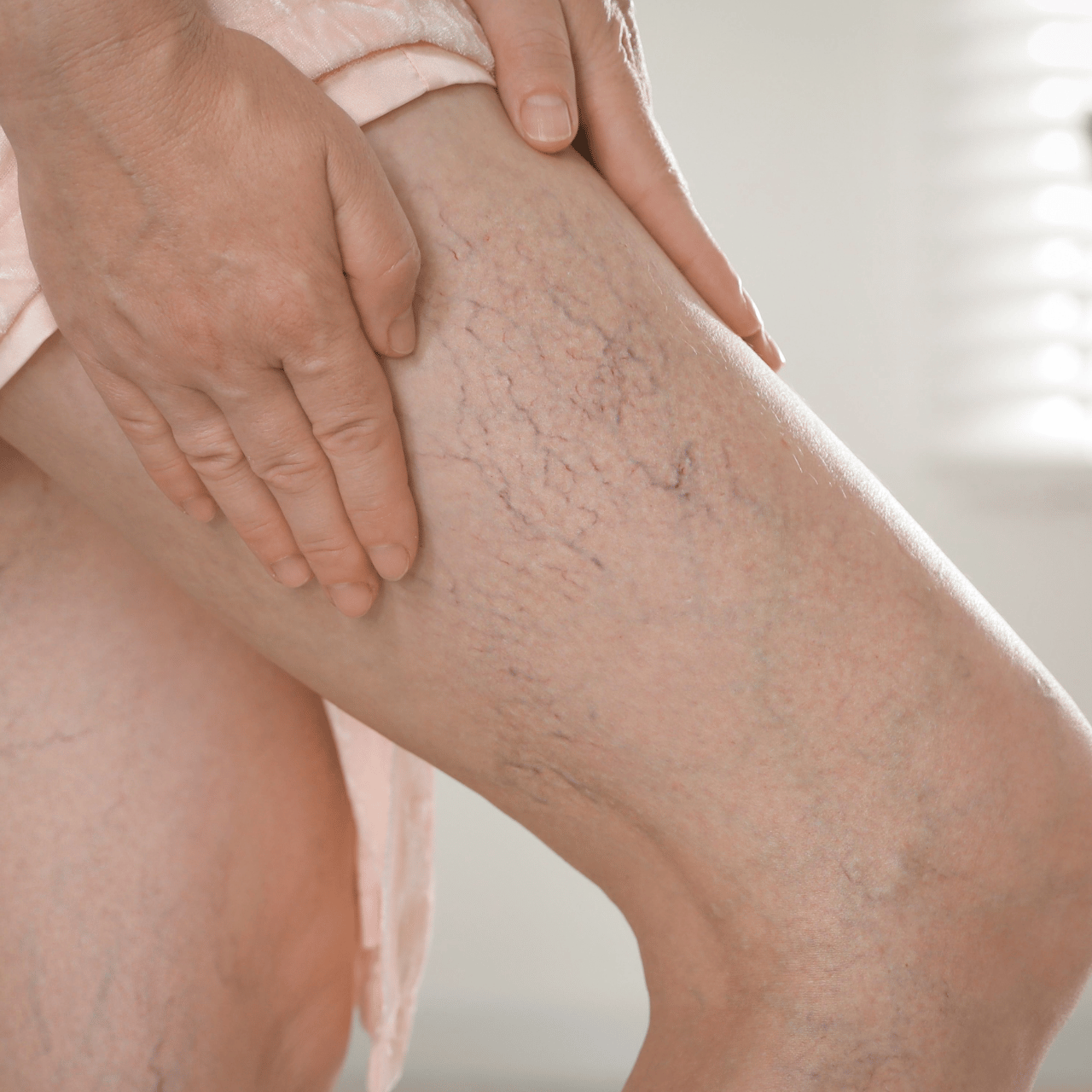
What causes vascular lesions?
Discover what causes this condition and how it can it can impact you.
Hormonal Changes
Fluctuations in oestrogen and progesterone can directly affect vascular stability and skin behaviour. This is commonly seen during pregnancy, menopause, or with hormonal conditions such as PCOS. Reduced oestrogen over time weakens vessel walls, making redness and visible capillaries more likely.
Inflammation
Chronic or repeated inflammation triggers vascular dilation and the formation of new superficial blood vessels. Conditions such as rosacea, acne, or environmental irritation can drive persistent redness and sensitivity, often worsening if not managed at a skin health level.
Medications
Certain medications can influence vascular response or skin thinning. Topical steroids, some blood pressure medications, and long-term use of specific treatments may increase the visibility of vessels or contribute to flushing and redness.
Genetics
A genetic predisposition plays a significant role in how your skin responds. If family members have visible veins, rosacea, or vascular conditions, you may be more likely to develop similar concerns over time, regardless of lifestyle.
Lifestyle
External factors have a measurable impact on vascular health. Sun exposure, alcohol consumption, temperature extremes, and smoking can all contribute to vessel dilation and breakdown, accelerating the appearance of redness and uneven skin tone.