
Pigmentation
A skin pigmentation disorder can alter your natural skin tone, causing areas to appear darker, lighter, or uneven. This may affect larger areas of the body or present as more localised concerns such as sunspots, age spots, or freckles.
At a clinical level, pigmentation is rarely one-size-fits-all. It requires a tailored approach. Using advanced light and laser-based technologies, we can safely target excess pigment within the skin, helping to restore a clearer, more even complexion over time. Treatments are selected based on your skin type, the depth of pigmentation, and underlying triggers, ensuring results that are both effective and appropriate for long-term skin health.
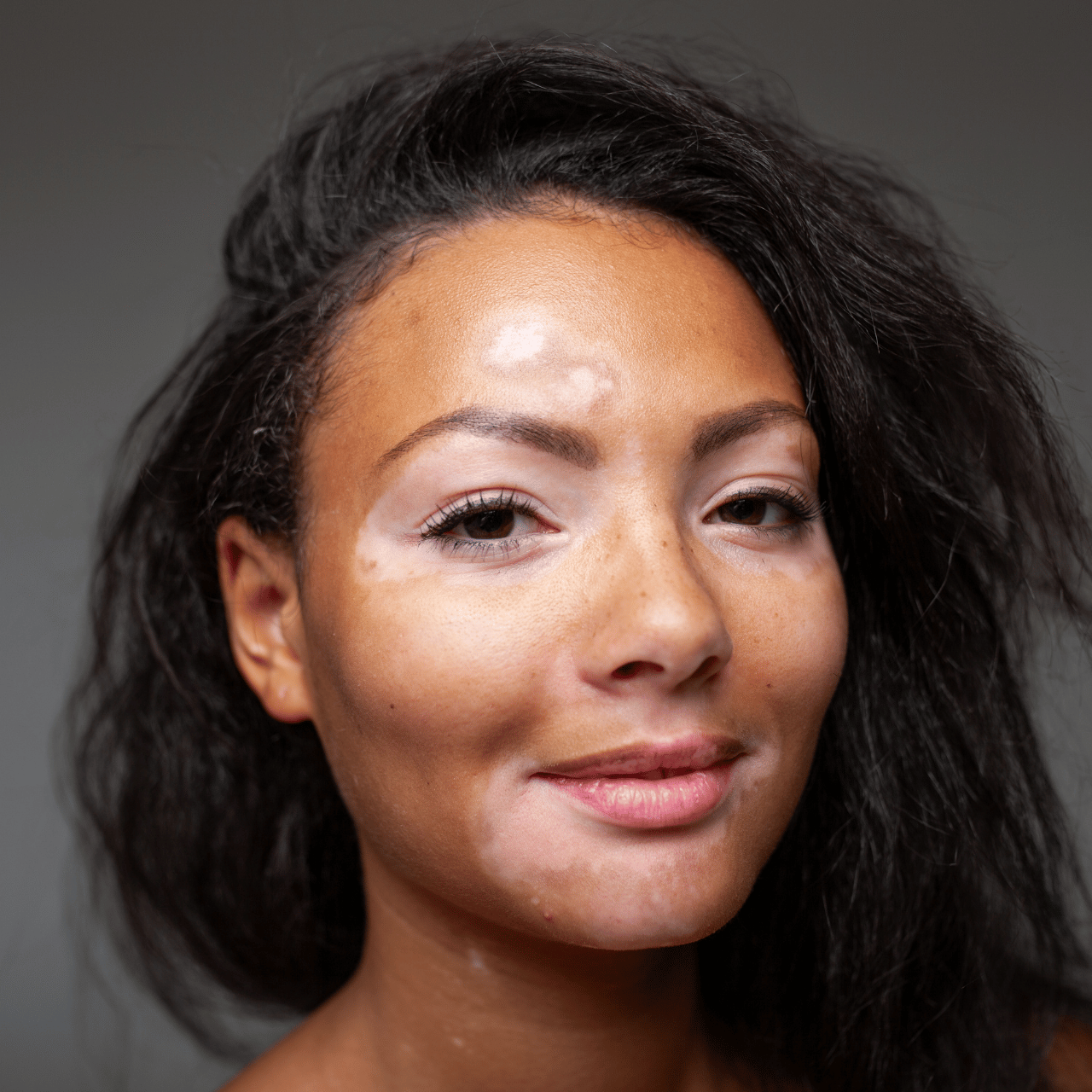
What causes pigmentation?
Discover what causes this condition and how it can it can impact you.

Hormonal Changes
Changes in hormone levels can directly influence melanocyte activity, the cells responsible for producing pigment. This is commonly seen during pregnancy, menopause, or with hormonal contraception, often presenting as uneven pigmentation such as melasma.

Excess Sebum Production
Excess oil production can disrupt normal skin function, leading to congestion and inflammation. This can trigger post-inflammatory hyperpigmentation, particularly in individuals prone to breakouts or acne-related skin concerns.
Inflammation
Ongoing inflammation within the skin, whether from acne, sensitivity, or external irritation, can stimulate excess pigment production as part of the skin’s healing response. This often results in lingering dark marks after the initial concern has resolved.
Medications
Certain medications can increase the skin’s sensitivity to light or directly stimulate pigment production. This may lead to uneven tone or heightened risk of pigmentation when exposed to UV or environmental stressors.
Genetics
Your genetic profile plays a significant role in how your skin produces and distributes pigment. Some individuals are naturally more prone to pigmentation disorders, particularly when combined with environmental or hormonal triggers.
UV Exposure
Repeated exposure to ultraviolet light is one of the primary drivers of pigmentation. UV radiation stimulates melanocyte activity, leading to the development of sunspots and uneven skin tone over time, especially without consistent protection.