Treatment snapshot
Number of Treatments
3
Recovery time
1 week
Final results
18 weeks
Procedure time
60 mins
Anaesthetic
Topical
Duration of results
3 - 5 years
Discomfort level
Mild to moderate
Cost from
£220
Treatment snapshot
Number of Treatments
1
Recovery time
1 - 2 hours
Final results
2 weeks after check up
Procedure time
30 - 60 minutes
Anaesthetic
Numbing cream/nerve block
Duration of results
6 - 18 months
Discomfort level
Minimal
Cost from
£300
Why Plasma Pen?
It treats, repairs, lifts, regenerates and rejuvenates almost any area of the skin and spectacularly improves and brightness skin tone, laxity and texture. It significantly tightens loose skin and dramatically reduces and plumps out lines and wrinkles.
What's our process?
Step 1
Your plasma pen journey begins with a detailed consultation and assessment to ensure the treatment is suitable for you and for the area you’d like to improve (commonly eyelids, under-eyes, fine lines, or targeted loose skin). Your practitioner will review your medical history, discuss your goals, and explain what results you can realistically expect. You’ll also be advised on how to prepare your skin beforehand, including avoiding sun exposure and pausing certain active skincare products so the skin is calm and stable on treatment day.
Step 2
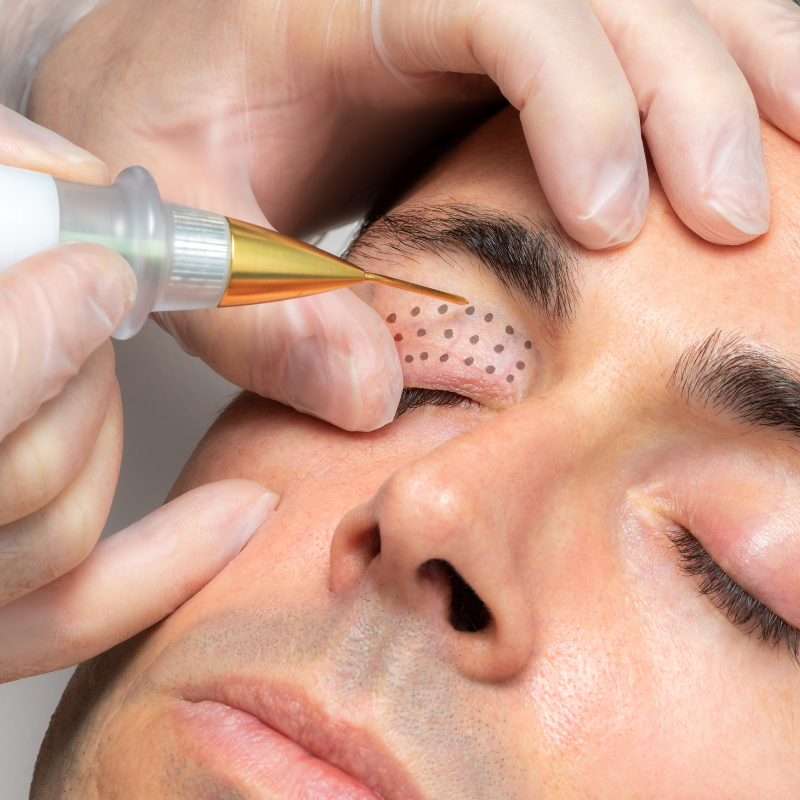
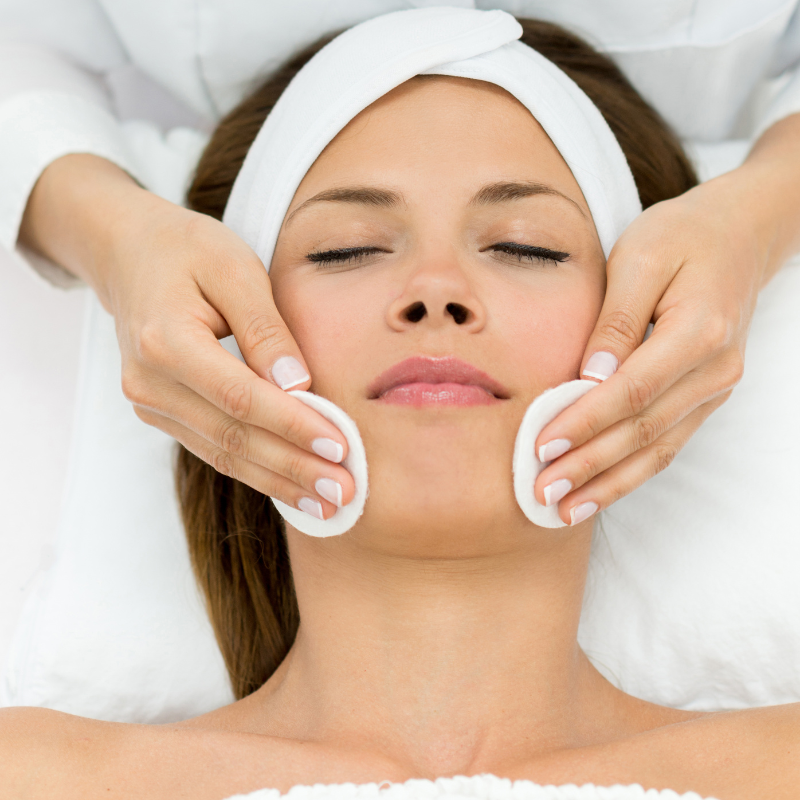
On the day of your appointment, the treatment area is cleansed thoroughly and the skin is mapped so the application is precise and even. A topical numbing cream is applied to keep you comfortable, and adequate time is allowed for it to fully take effect. Before the treatment begins, you’ll be talked through aftercare and the healing process so you know exactly what to expect in the days ahead.
Step 3
During treatment, a plasma pen device is used to create tiny, controlled micro-points on the surface of the skin without cutting it. These micro-points trigger the skin’s natural healing response and encourage tightening and collagen renewal over time. You may feel warmth or a light prickling sensation, but the numbing cream keeps this manageable. The appointment length depends on the area being treated, and the skin will typically show small dot-like marks immediately afterwards.
Step 4
After plasma pen treatment, small crusts form where the micro-points were created and these must be left to heal and shed naturally. It’s normal to experience swelling (especially around the eyes), redness, and a tight feeling for several days. Keep the area clean and dry, avoid makeup on the treated area until healed, and avoid heat, heavy exercise, swimming, and direct sun exposure during recovery. Once healing is complete, the area will continue to improve over the following weeks as collagen production increases, with results gradually refining over time.
How has this helped out patients?
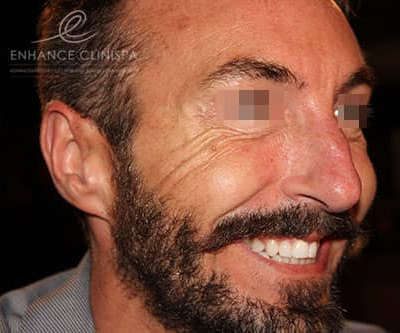
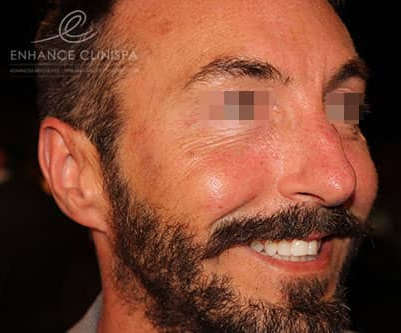
Our Results
FAQs
What concerns can Plasma Pen treat?
Plasma Pen is commonly used to improve skin laxity, fine lines, wrinkles, and crepey skin. Popular treatment areas include the upper and lower eyelids, crow’s feet, forehead lines, neck, and around the mouth. It is particularly effective for clients looking for non-surgical skin tightening.
How long does it take to see results?
Some tightening may be visible once the initial swelling settles, but results continue to improve over the following weeks as collagen production increases. The skin typically looks smoother and firmer as healing progresses, with full results developing over 8–12 weeks.
How many treatments are needed?
Many clients achieve their desired result with just one treatment. However, depending on the area treated and the level of skin laxity, additional sessions may be recommended. A personalised plan will be discussed during your consultation.
What is the recovery time?
Recovery usually involves 5–7 days of visible healing, during which small crusts form and naturally fall away. Swelling and redness are common in the first few days, particularly around delicate areas like the eyes. Most clients plan for around a week of social downtime.
Is Plasma Pen safe?
When performed by a trained professional, Plasma Pen is considered a safe and controlled treatment. A full consultation is carried out beforehand to ensure suitability, and detailed aftercare guidance is provided to support proper healing and optimal results.