
Anti-Ageing
Ageing is not a single concern. It is a gradual, layered process involving collagen loss, changes in skin quality, reduced elasticity, and shifts in facial structure over time. Skin can appear thinner, less supported, and more uneven, often alongside pigmentation, redness, or textural changes.
At Enhance Clinispa, we take a consultation-led, medically driven approach to anti-ageing. Rather than treating isolated concerns, we assess how your skin is functioning as a whole. This allows us to build a tailored treatment plan that supports skin health, improves structure, and restores balance in a natural, considered way.
Using advanced technologies and regenerative treatments, we target concerns such as fine lines, laxity, pigmentation, acne scarring, and vascular changes. The focus is always on long-term skin quality and subtle, progressive improvement – not quick fixes or overcorrection.
Every plan is personalised. Every result is designed to look like you, just with stronger, healthier skin over time.
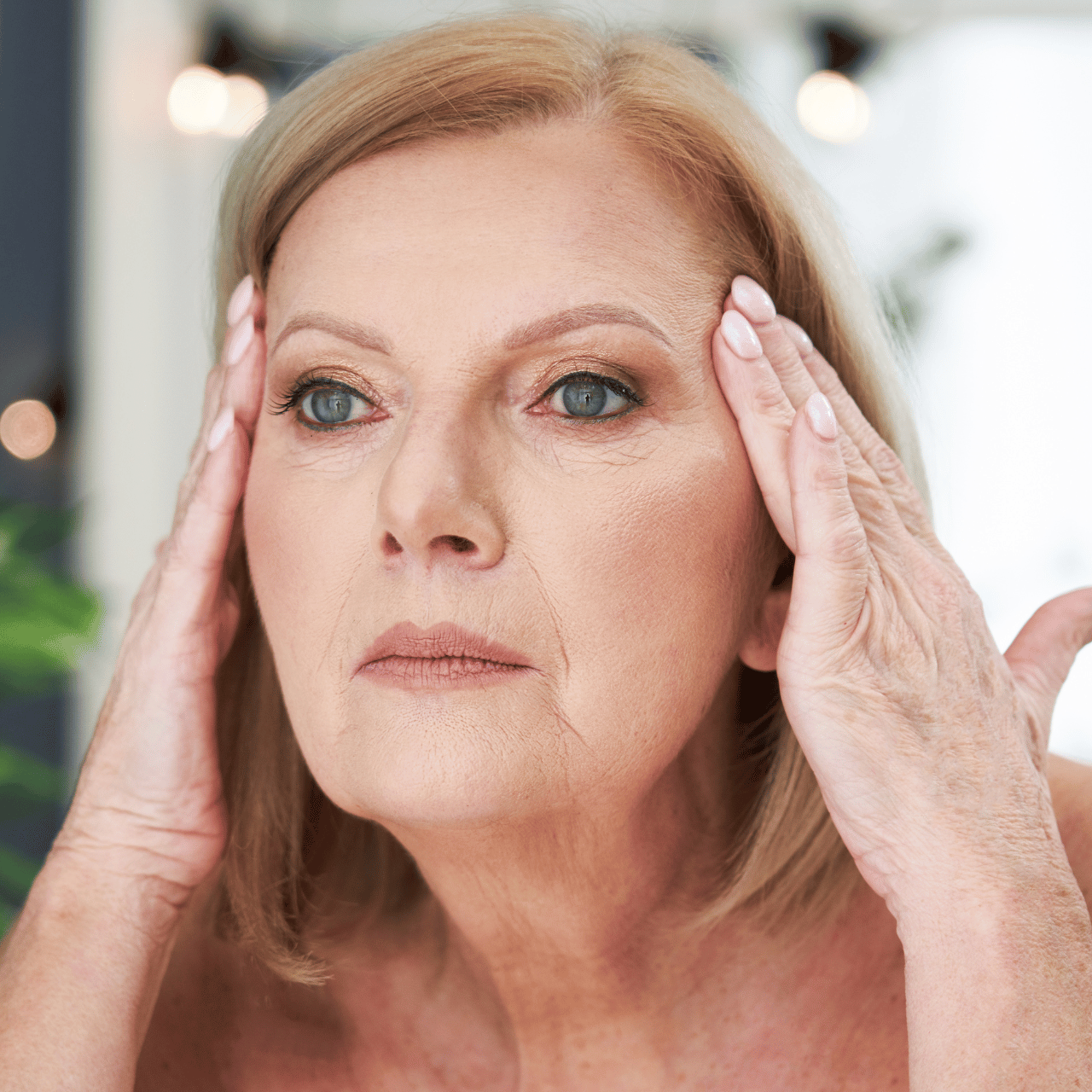
What causes ageing?
Discover what causes this condition and how it can it can impact you.
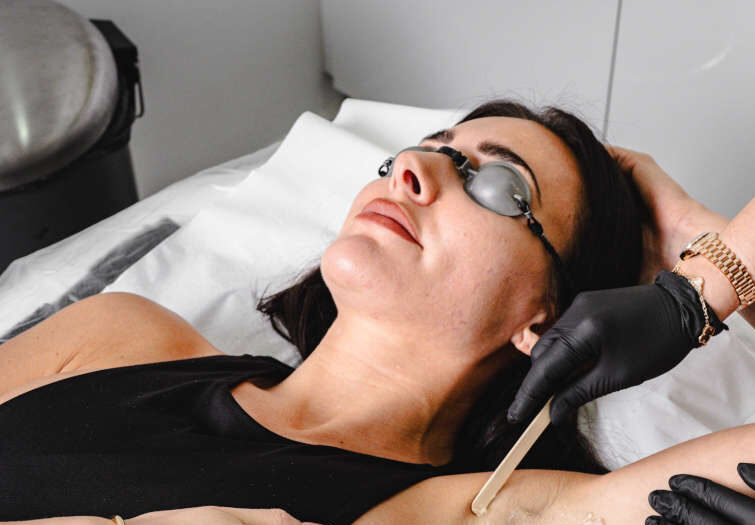
Hormonal Changes
Fluctuations in hormones, particularly during puberty, menstrual cycles, pregnancy, or menopause, can directly influence how the skin behaves. Increased androgen levels can stimulate oil glands, leading to excess sebum production, congestion, and breakouts. Hormonal shifts can also affect collagen production and skin thickness, contributing to changes in texture and elasticity over time.
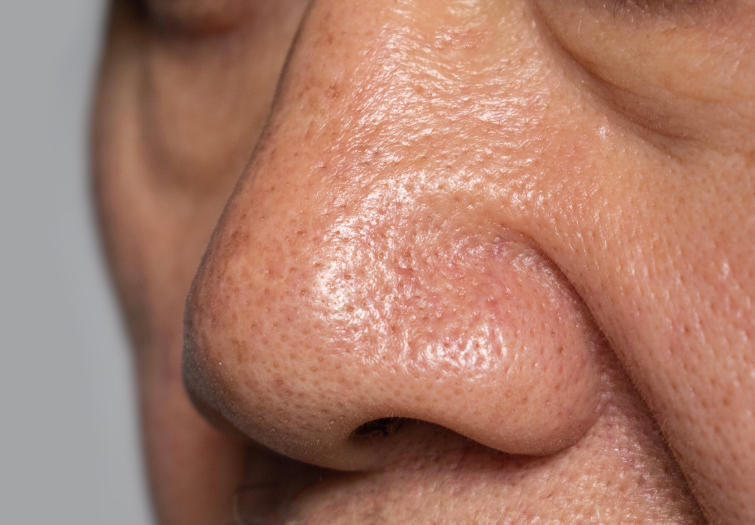
Excess Sebum Production
Overactive sebaceous glands can lead to an imbalance in the skin, resulting in excess oil, enlarged pores, and congestion. When sebum mixes with dead skin cells, it can block pores and contribute to breakouts, uneven texture, and inflammation. This often requires targeted treatment to regulate oil production and restore skin balance without over-stripping the skin.
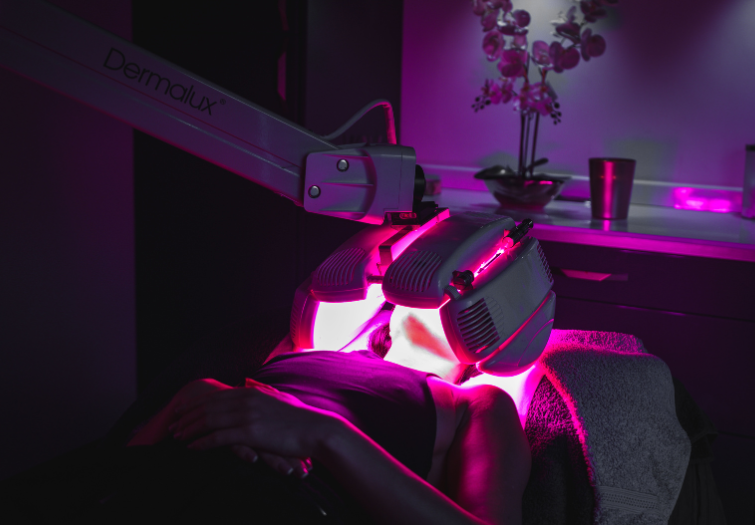
Inflammageing /Chronic Illness
Low-grade, ongoing inflammation within the body can accelerate skin ageing and impair its ability to repair itself effectively. This process, often referred to as inflammageing, can weaken the skin barrier, reduce collagen production, and lead to dullness, sensitivity, and uneven tone. Chronic conditions may further impact how the skin responds and regenerates.

Lifestyle
Daily habits play a significant role in how the skin ages. Factors such as sun exposure, diet, stress levels, sleep quality, and smoking can all contribute to collagen breakdown, pigmentation, and loss of skin integrity. Over time, these external influences can accelerate visible ageing and impact overall skin health if not managed appropriately.
Medications
Certain medications can affect the skin’s function, including oil production, sensitivity, and healing response. Some may increase dryness or irritation, while others can trigger breakouts or pigmentation changes. Understanding these effects is important when building a treatment plan, ensuring the skin is supported safely and effectively.
Genetics
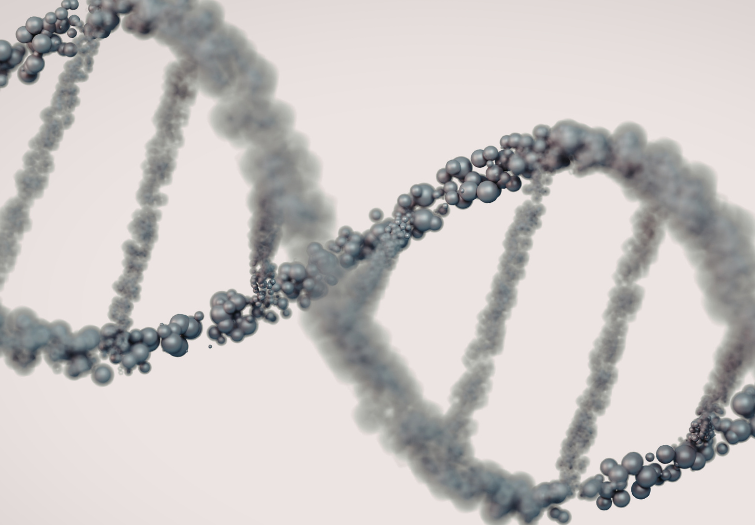
Your genetic profile plays a key role in how your skin ages. This includes how quickly collagen breaks down, how your skin retains moisture, and your predisposition to concerns such as pigmentation, sensitivity, or laxity. While genetics cannot be changed, they can be managed with the right long-term treatment strategy.

Cosmetic Products
Using unsuitable or overly harsh skincare products can disrupt the skin barrier and lead to irritation, congestion, or imbalance. Incorrect formulations may clog pores or strip the skin, triggering excess oil production and sensitivity. A tailored, medical-grade skincare approach helps support skin function and optimise treatment outcomes.